November 19, 2026

The Importance of Roof Cleaning

There are several reasons to maintain your home’s curb appeal. A clean, well-maintained exterior can make a good impression on neighbors and visitors. It can also make your property more appealing to potential buyers. One area that is often overlooked is the roof. A dirty, stained, or moss-covered roof can make an otherwise well-maintained home look neglected.

Prevent Moss, Algae, and Lichens

Roofs can accumulate algae, lichens, moss, and other organic growth over time. These materials can hold moisture against roofing materials, leading to premature deterioration. Keeping your roof clean can help protect its condition and may extend its useful life.

Roof cleaning can also help identify potential problems. During cleaning or a professional inspection, damaged shingles, deteriorated flashing, and other issues may become easier to spot before they lead to more extensive repairs.

Protect Your Home’s Structure

Your roof is one of your home’s primary defenses against rain, wind, snow, and sunlight. When roofing materials are covered with organic growth and debris, moisture may remain trapped against the surface. Over time, this can contribute to damage.

Regular roof maintenance helps keep water moving properly and allows problems to be addressed before they become more serious. However, roof cleaning should be performed using methods appropriate for the specific roofing material. Aggressive pressure washing can damage some types of shingles, so homeowners should always hire a professional familiar with proper roof-cleaning techniques.

Save Money on Repairs

Although professional roof cleaning is an expense, routine maintenance may help you avoid some costly problems. Removing moss, algae, and debris can help protect roofing materials and potentially extend the life of the roof.

Most pressure washing companies offer roof cleaning as a specialty. A qualified professional can evaluate the condition of the roof and recommend an appropriate cleaning method rather than attempting to clean it yourself.

Reduce the Risk of Pest Problems

Accumulated debris, moss, and other organic material can create areas where insects and other pests may find food or shelter. Keeping the roof and surrounding areas clean can reduce conditions that may attract unwanted pests.

Support Better Curb Appeal

A clean roof can make a noticeable difference in the overall appearance of your property. If you are preparing to sell your home, roof cleaning can be one part of an exterior maintenance plan that helps your property make a better first impression. Regular roof maintenance also complements professional home inspections by helping homeowners identify and address exterior concerns before they become larger problems.
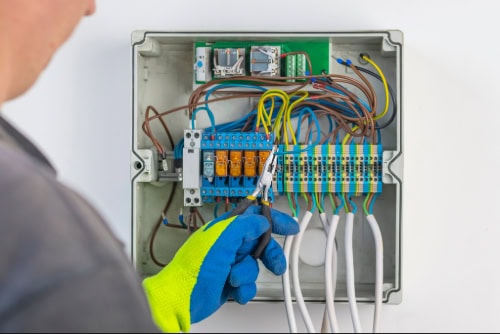
6 Signs That You Need an Electrical Panel Upgrade

Your home’s electrical panel is the central hub that distributes power throughout the house. It’s responsible for safely delivering electricity to lights, appliances, and outlets. Like any part of a home, panels can become outdated or overloaded—especially in older homes or those with recent renovations. Knowing when it’s time to upgrade your panel can help prevent electrical hazards and improve the efficiency of your home’s system.

with the help of wire cutters, the master places the wire in the socket. panel board. not only electricity and internet control are mantled into it.

Here are some of the most common signs that your electrical panel may need an upgrade.


1. Your Home Still Has a Fuse Box

If your home still operates on an old fuse box instead of a modern breaker panel, it’s time to consider an upgrade. Fuse boxes were common in homes built before the 1960s, but they aren’t designed to handle the power needs of today’s appliances and electronics. Breaker panels are safer, easier to reset, and better equipped to support modern loads.


2. Frequent Breaker Trips

Breakers are designed to trip when a circuit is overloaded to prevent overheating and fire. But if you’re constantly resetting breakers—especially the same ones over and over—it’s likely a sign that your panel can’t keep up with your home’s power demands. This is often the case in homes that have added high-powered appliances or multiple electronics over time.


3. Flickering or Dimming Lights

Lights that flicker or dim when you turn on a major appliance (like a vacuum or microwave) may indicate your panel is struggling to supply enough power. It could also point to loose wiring or overloaded circuits—both of which are worth having inspected by a licensed electrician.


4. You’ve Added Major Appliances or Renovated

Installing a new HVAC system, water heater, electric vehicle charger, or even renovating a kitchen can significantly increase your electrical load. If your panel wasn’t upgraded at the same time, it may not have the capacity to safely power everything. In these cases, upgrading the panel helps support the added demand and prevents long-term issues.


5. Your Panel Is Over 25 Years Old

Like any system, electrical panels have a lifespan—typically 25 to 40 years. Even if everything seems to be working fine, aging components can fail without warning. Older panels may also lack modern safety features, including arc fault protection and adequate grounding.


6. Burning Smell or Discoloration

If you notice a burning odor coming from the panel or see signs of scorching, rust, or melted wires, shut off the main power and call a licensed electrician immediately. These are serious warning signs of overheating or internal damage and can lead to electrical fires if not addressed.


When in Doubt, Get an Inspection

If you’re unsure whether your panel needs an upgrade, a licensed electrician can evaluate its condition and capacity. An inspection is especially important if you’re buying an older home, planning renovations, or experiencing any of the issues above.

Upgrading your electrical panel isn’t just about convenience—it’s a safety investment that ensures your home’s electrical system is up to code and ready for current and future needs.

Learn more at https://www.allwiredupelectric.com/.

Moving Out Checklist

Moving out of a home or apartment involves more than packing boxes and loading a truck. Whether you are a renter trying to secure a full security deposit or a homeowner preparing a property for sale, a clear moving-out checklist helps prevent last-minute stress and overlooked details. From utility transfers to final cleaning, taking a systematic approach can make the transition smoother.

Give Proper Notice and Review Agreements

Start by reviewing your lease or sales agreement. Renters should confirm the required notice period and provide written notice to the landlord on time. Homeowners should verify closing timelines and any obligations agreed to during the inspection or negotiation phase. Understanding these details early helps avoid fees, delays, or misunderstandings.

Schedule Utility Transfers and Address Changes

Arrange for utilities such as electricity, gas, water, internet, and trash service to be transferred or disconnected as of your move-out date. Update your mailing address with the postal service, banks, insurance providers, and subscription services. This step is often overlooked and can lead to missed bills or important documents after the move.

Complete Repairs and Maintenance

Before moving out, take care of basic repairs. Replace burned-out light bulbs, fix loose hardware, patch nail holes, and address minor plumbing issues like dripping faucets. These small fixes can make a strong impression during a final walkthrough or home inspection. For sellers, completing maintenance items ahead of time can reduce the likelihood of buyer requests or repair credits.

Deep Clean the Property

A thorough cleaning is one of the most important parts of moving out. Kitchens and bathrooms should be cleaned carefully, including appliances, cabinets, fixtures, and floors. Pay attention to baseboards, vents, and window tracks, which are often checked during inspections.

Many leases and sales agreements also require carpet cleaning to remove stains, odors, and embedded dirt. Even if it is not required, professional cleaning can improve the overall appearance of the space and help demonstrate that the property was well cared for.

Document the Condition

Before handing over the keys, document the condition of the property. Take clear photos or videos of each room, focusing on walls, floors, appliances, and fixtures. This documentation can be helpful if questions arise about damage, wear and tear, or security deposit deductions.

Return Keys and Access Items

Collect and return all keys, garage door openers, access cards, and gate remotes. Failing to return these items may result in replacement charges. Make sure any shared amenities or storage areas are also cleared out.

Final Walkthrough and Confirmation

If possible, attend a final walkthrough with the landlord, property manager, or buyer. This allows any concerns to be addressed immediately and helps bring closure to the move-out process.

Following a detailed moving-out checklist helps protect your finances, reduces stress, and leaves the property in good condition for its next occupant.

10 Ways to Make Your Home Safer


Ensuring your home is a haven for you and your loved ones is paramount. From preventing accidents to thwarting potential hazards, a few simple measures can significantly enhance the safety of your living space. Here are 10 practical tips to make your home safer, including electrical repairs.

Home safety inspection

  1. Install Smoke and Carbon Monoxide Detectors. These devices are your first line of defense against fire and carbon monoxide poisoning. Place them strategically on every floor and test them monthly to ensure they’re functioning correctly.
  2. Secure Your Windows and Doors: Strengthen your home’s security by installing sturdy locks on all windows and doors. Consider reinforcing weak spots and adding additional security measures like deadbolts or security bars.
  3. Illuminate Your Exterior: A well-lit exterior deters intruders and reduces the risk of accidents. Install motion-sensor lights around your property to illuminate dark areas and make it difficult for potential trespassers to hide.
  4. Trim Landscaping: Overgrown shrubs and trees provide cover for burglars and obstruct visibility. Keep your landscaping well-trimmed, especially around entry points, to eliminate hiding spots and maintain a clear line of sight.
  5. Prevent Trips and Falls: Remove clutter and secure loose rugs to prevent tripping hazards. Install handrails on staircases and ensure all steps are well-maintained and damage-free.
  6. Store Chemicals Safely: Household chemicals like cleaners and pesticides should be stored securely out of reach of children and pets. Use childproof locks on cabinets where these items are kept to prevent accidental ingestion or exposure.
  7. Regular Electrical Inspections: Electrical issues pose a significant safety risk in homes. Schedule regular inspections by a qualified electrician to identify and address potential hazards such as overloaded circuits, faulty wiring, or outdated outlets. Perform electrical repairs promptly.
  8. Address Electrical Repairs Promptly: Don’t ignore flickering lights, sparking outlets, or frequently tripped breakers. These are signs of underlying electrical problems that require immediate attention. Delaying repairs could lead to electrical fires or electrocution.
  9. Practice Kitchen Safety: The kitchen is a hotspot for accidents. Keep flammable materials away from heat sources, never leave cooking unattended, and ensure all appliances are in good working condition. Install a fire extinguisher nearby and know how to use it.
  10. Emergency Preparedness: Equip your home with essential emergency supplies like first aid kits, flashlights, and batteries. Create a family emergency plan outlining procedures for various scenarios such as fires, natural disasters, or medical emergencies.

By implementing these practical measures, you can significantly enhance the safety and security of your home. Proactive prevention is key to protecting your family and property from potential risks. Stay vigilant, stay safe.

How to Prevent Mold and Allergens in Your Home

Mold is a type of fungus with a woolly texture and varies in color. Mold develops in damp areas that are not well-lit, such as basements, bathrooms, and crawl spaces. It is essential to prevent mold growth because it can damage your home’s structural integrity, which can be costly to fix. Living in a moldy home causes health issues, such as sinus congestion, headache, throat irritation, respiratory problems, and allergic symptoms.

Below are ways to prevent mold growth at home.

Moisture control

Moisture control is the most effective method of curbing mold growth. Maintaining appropriate humidity levels gives a mold-free environment. Mold thrives in humid environments, and thus it is vital to ensure you maintain indoor humidity levels between 30-50%.

Humidity levels are influenced by daily activities like cooking and drying clothes, making it necessary to monitor indoor humidity levels as they keep changing frequently. Installing a dehumidifier helps to reduce moisture from the air, making your home less susceptible to mold. In addition, using an AC unit helps to achieve low humidity levels.

Proper ventilation

Ventilation keeps air moving and prevents moisture buildup in the house. Areas such as kitchens, bathrooms, and laundry rooms have high moisture levels, making them prone to mold development. It is important to open windows to aid moisture flow when cooking or having a shower.

Air vents can be fitted into windows to enhance ventilation. Besides that, it is advisable to keep doors shut to confine moisture to these rooms when in use. Open doors allow steam to travel to other rooms, which can cause mold problems.

Cleaning carpets

A moldy carpet is likely to have an unpleasant odor and ugly stains. A spill on the carpet should be attended to immediately. Carpets should always be kept dry, free of moisture or water, to reduce the likelihood of mold growth. It is important to vacuum carpets frequently to ensure they are mold-free.

A moldy carpet can be cleaned using white vinegar. Spray vinegar on the carpet and scrub it with a brush. Avoid diluting vinegar with water as it will lose its effectiveness. Let the applied vinegar sit for at least an hour and wipe with water. Finally, use a dehumidifier to get rid of moisture.

Regular professional carpet cleaning can also ensure your home remains mold and allergen-free. A carpet cleaning service recommends that you get your carpets professionally cleaned every 12 to 18 months to maintain indoor air quality. 

Avoid dampness

Mold can’t grow without moisture. After taking a shower, it is necessary to dry the walls and floor of the bathroom. Moisture settles on these areas, creating an ideal environment for mold to grow.

After doing laundry, do not leave clothes in the washing machine. Also, do not dry clothes indoors because the water evaporates and creates a damp atmosphere in your home.

ATR102525

The Benefits of Hiring a Home Inspector

Home Inspection House Inspector Evaluation 3d Illustration

Buying a new home is one of the most exciting moments in someone’s life. The process can be stressful, but it doesn’t have to attain the said stress levels. One way to make your experience less overwhelming is by hiring a home inspector before you buy. A good home inspector will go through every inch of your future house and give you all of the information that you need to know about its condition. Here are some reasons why hiring a professional makes sense for everyone who wants peace of mind when buying their next property.

There are many benefits to hiring a home inspector. One of the best is that you will get an unbiased opinion about your property before it is too late. What this means is that if there are issues with the house, they can be brought up in negotiations or fixed by the seller without getting emotionally involved first. You also will not have any regrets later when moving into your new place, because you know exactly what condition it was when purchased. You will have no reason to wonder how much work needs to go into making things right for you and your family.

The second benefit to hiring a professional home inspector is time savings. Without one, you will spend hours upon hours trying to check every detail yourself which could actually cost more than someone else doing all of the dirty work for you. The investment in time savings alone is worth the price of hiring a home inspector because it will save you so much headache. The hiring will also take some stress off your plate to boot.

Hiring an expert means that they know what signs indicate problems with homes, which can help them find warning signs quickly during their inspection. This also saves precious time since the inspector does not have to go through all of those areas themselves first before knowing if something needs fixing or replacing as soon as possible. You’ll get information about major issues like water leaks, electrical hazards, structural risks, etc., right away, without wasting any more money on your new house than necessary. Thanks to these quick tips from someone who knows how to spot trouble at first sight. Overall, this process achieves a less stressful experience when buying your next home.

Once you know where the problem areas are, you will be able to hire a plumber, electrician, HVAC contractor, or water damage restoration company with confidence. It will help to know that you won’t be overcharged for unnecessary services.

When you add up all of the time and money that it saves, hiring a professional is the best choice for everyone who wants to buy their new house without any regrets or headaches. The peace of mind alone makes going through this process more enjoyable. This is because there is someone else looking out for what matters most to make sure everything goes smoothly from start to finish.

ATR071125


Checklist for Moving Into a New Home

A home is a special place that holds an irreplaceable spot in one’s heart. It is where you create cherished memories, share moments with loved ones, and find comfort and solace. However, circumstances may arise that necessitate moving to a new residence. Regardless of the reason for moving, it is crucial to make the new house feel like home. This can be achieved by ensuring it meets a certain standard of comfort and safety and by having essential items. Here is a comprehensive checklist for when you move into a new home.

1. Update Your Address

Updating your address ensures you receive your mail and other important documents at your new address. Failing to do so can lead to missed bills, important correspondence, and legal notifications. To avoid these inconveniences and potential consequences, it’s important to notify the post office, banks, credit card companies, utilities, and any other relevant parties about your new address. Many of these entities have online forms or phone numbers to update your address easily.

2. Change and Re-key Locks

Changing and re-keying locks is crucial when moving into a new home. It provides an added layer of security and peace of mind knowing that only you and your family can access your new residence. While it may seem like an unnecessary expense, it’s essential to prioritize the safety of yourself and your loved ones. It’s impossible to know who has had access to your home’s keys before you, so changing the locks or re-keying them is a proactive step to ensure your security. A mobile locksmith service can do this for you easily. 3. Clean and Sanitize

When moving into a new home, there may be dust, debris, or other contaminants left behind by previous occupants or the moving process. Cleaning and disinfecting high-touch surfaces can help reduce the risk of germs and viruses. Additionally, cleaning the house thoroughly allows you to identify any potential issues, such as leaks or damages, that may need to be addressed. By taking the time to clean and sanitize your new home, you can start fresh and make your space truly your own.

4. Utilities

It’s vital to ensure that your electricity, gas, water, and other essential services are set up in your name before you move in. This will ensure you have access to these services as soon as you move in without disruptions or delays. It’s a good idea to research and compare providers in your area to find the best deals and services. Some utility companies may require a deposit or credit check before setting up services, so it’s essential to plan accordingly.

Moving is an inevitable part of life, and it’s essential to make the most of it by ensuring a smooth transition to your new home. Whether moving to a new city or just a few blocks away, taking the necessary steps to make your home safe, comfortable, and functional is crucial. By following a checklist and prioritizing essential tasks, you can create a comfortable living space that feels like home. Ultimately, moving provides an opportunity to start fresh and create new memories, and by making your house a welcoming and comfortable space, you can make the most of this new chapter in your life.

ATR100124

What is an electrical service inspection?

An electrical service inspection is a valuable tool that can help you maintain your commercial or residential property. It will find the problems and identify ways to correct them. This article will discuss what an inspection entails, how it’s done and why you should invest in one for your property!


An electrical service inspection should include a visual inspection of the electrical equipment, wiring, and components. The inspector will also check the service entrance, including the weatherhead, mast, and service cable. They will then test the service to ensure it’s providing enough power for the property. In addition, the inspector will check the grounding and bonding and any available disconnects.


One of the most important things that an inspector will check is the service entrance. This includes the weatherhead, mast, and service cable. It’s vital to keep all of these components in good condition so that they can provide an adequate amount of power for your property. The inspector will also check your grounding and bonding, as well as any available disconnects.


What to do before the inspection?


Before an inspection begins, it’s vital that you shut off all power at the main service panel. This will help prevent accidents during the procedure. All fuses and breakers should be turned off for safety purposes. If you do not know where the main service panel is located, you should contact a qualified electrician.


It’s also critical that you turn off all electrical appliances and equipment before they conduct an inspection. All outlets and switches should also be turned off at this time. This will help prevent any accidents during the process, like electrocution or fires.


What to expect during an inspection?


During an inspection, the inspector will check all electrical equipment and wiring. They will also test the service to ensure it’s providing enough power for your property. In addition, they will check the grounding and bonding and any available disconnects.


An inspector will also look for any potential hazards, such as frayed wiring or overloaded circuits. They will also check the service entrance to make sure it’s in good condition. If they find any problems, they will provide you with a detailed report of their findings.


Why should I get an electrical service inspection?


An electrical service inspection is a valuable tool that can help you to maintain your commercial or residential property. It will find the problems and identify ways to correct them.


An inspector will look for any potential hazards, such as frayed wiring or overloaded circuits. They will also check the service entrance to make sure it’s in good condition. If they find any problems, they will provide you with a detailed report of their findings.


An inspection may also reveal other problems, such as overloaded circuits or faulty electrical appliances. If you are aware of these problems before they become serious, an electrician can correct them quickly and easily This will help maintain the overall functionality of your property while protecting it from damage.


What to Expect During a Plumbing Inspection

Plumber inspecting a pipe

Plumbing inspections are important for maintaining the quality of your home’s water supply and ensuring that your plumbing is up to code. A qualified inspector will visit your home during a plumbing inspection and carry out the inspection. Below is what to expect during a plumbing inspection.

A Check of Your Water Heater

The inspector will check the age and condition of your water heater and the surrounding area for any signs of leaks. They will also check the temperature and pressure of the water heater and test the safety valve to ensure it is working correctly.

If the inspector finds out that your water heater is not up to code, they may recommend that you replace it. Also, if your water heater is more than 20 years old, the inspector may recommend that you replace it.

A Check of Your Plumbing Fixtures

The inspector will check your home’s plumbing fixtures, including sinks, toilets, showers, and tubs. They will look for any signs of leaks or water damage. Common issues that might be found include loose fixtures, leaks around the base of fixtures, and cracked or damaged fixtures.

Be sure to ask the inspector about any repairs that might be needed. In some cases, the inspector may recommend that you replace a fixture entirely.

A Check of Your Drains and Ventilation

The inspector will check your home’s drains and ventilation to ensure they are working correctly. They will look for any blockages or leaks and ensure that your home’s ventilation is adequate to prevent moisture buildup and mold growth.

The inspector may recommend that you have your drains cleaned if they find any blockages. Additionally, they may recommend that you add additional ventilation if they find that your home’s ventilation is inadequate.

A Check of Your Water Supply Lines

The inspector will check the condition of your home’s water supply lines. They will look for any leaks, corrosion, or damage. They will also check the water pressure to ensure it is within the normal range.

If the inspector finds any issues with your water supply lines, they may recommend that you have them repaired or replaced by a licensed plumber.

A Final Report and Recommendations

After the inspection is complete, the inspector will provide you with a written report. The report will list any issues that were found and the inspector’s recommendations for repairs or replacement. In the report, the inspector will also provide you with an estimate of the cost of the repairs.

Be sure to ask the inspector any questions you have about the report. Additionally, be sure to get multiple estimates for the cost of repairs before you decide.

A plumbing inspection is important for maintaining your home’s water supply and plumbing. Inspections are necessary to ensure that your plumbing is up to code and functioning properly so that you can avoid costly repairs down the road.

How to Prevent Dangerous Mold in Your Home

Mold can be a serious issue in homes. Not only is it unsightly, but it can also cause respiratory problems and other health issues. Mold can also cause some structural damage to your home, which can be expensive to fix. The key to preventing mold is to keep your home clean and dry. Here are some tips on how to prevent mold in your home:

Ventilate your home

Ventilation helps to remove moisture from the air. This is especially important in areas of your home that are prone to dampness, such as the kitchen and bathroom. Ensure you have exhaust fans installed in these areas and that they are vented to the outside of your home.

Use a dehumidifier

If you live in a humid climate or if your home is prone to dampness, you may want to use a dehumidifier. Dehumidifiers help clear moisture from the air, which can prevent mold from growing.

Keep your home clean.

Mold can grow on any dirty and damp surface. It’s important to keep your home clean and free of clutter so that there is less opportunity for mold to grow. Wipe down surfaces regularly, and vacuum and dust often. Regular carpet cleaning is also important for preventing mold. 

Clean up spills right away.

If you spill something on the floor, clean it up right away. Don’t let the liquid sit there because it will only create a breeding ground for mold. If your carpet becomes wet, replace it immediately. Wet carpets are a prime breeding ground for mold.

Fix leaks immediately

If you have a water leak in your home, fix it immediately. A leaky roof or window can allow water to seep into your home, leading to mold growth. Leaky pipes and fixtures can also cause water damage, which can lead to mold growth. Be sure to take care of such issues in your home as soon as possible.

Clean bathrooms with mold-killing products

Bathrooms are one of the most common places for mold to grow. This is because they are often humid and damp. Ensure you clean your bathroom regularly with a mold-killing product. This will help prevent mold from growing in this area of your home.

Take care of wet fabrics immediately.

If you have wet fabrics in your home, such as wet clothing or towels, be sure to take care of them immediately. Don’t let them sit in a pile because this will only create a breeding ground for mold. Be sure to wash and dry them as soon as possible.

These are just a few tips on preventing mold in your home. By following them, you can help keep your home healthy and mold-free. If you find mold in your home, be sure to take immediate action to remove it. Mold can be dangerous if left untreated, so it’s important to get rid of it as soon as possible. If the mold is severe, you may need to call a professional for assistance.

ATR041725

What Is Involved In A HVAC Inspection?

You need to have your HVAC inspected on a regular basis. The primary goal of an HVAC inspection is to make sure that your HVAC system is working properly. There are several things that are involved in the inspection.

Checking All of the Components

Your HVAC inspection will likely take about 30 minutes. The technician will likely start off by inspecting all of the parts of the unit. This includes things such as refrigerant levels, electrical connections, thermostats, and controls. Your HVAC service technician will also lubricate and adjust the moving parts. Additionally, the air filter will be changed and the blower motor will be adjusted.

Efficiency And Safety Checks

Your HVAC works hard to heat and cool your home. However, there are several things that can cause your HVAC system to suffer a lot of wear and tear. This includes things such as dirt, extreme weather, and, normal aging. Your HVAC technician will repair the parts that have suffered wear and tear.

There are many safety features that are built inside of your HVAC unit. Your technician will make sure that all of the safety parts are working the right way. They will also remove the dust and dirt that have built up inside of your unit.

A thorough cleaning has many benefits. Your HVAC system will work more efficiently. This means that it will be able to heat and cool your home without using a lot of energy. A thorough cleaning of your HVAC system will improve the indoor air quality. Furthermore, your home will be more comfortable.

An Assessment of How Efficiently Your System Heats And Cools

The technician will make sure that the HVAC system that you have meets the demands of your home. The HVAC system has to be the right size for your home. It also has to be installed correctly. Additionally, the size of the other appliances in your home will determine your heating and cooling needs.

Your technician can clean up your system and make repairs. However, if the system is not the right size or doesn’t fit the needs of your home, then you will need to have it replaced. Getting a new HVAC system can help you save a lot of money. It can also heat and cool your home better.

It is important to note that the HVAC system itself is not the only part that will be inspected. Your technician will also inspect the vents and insulation.

ATR111922

What a Home Inspector Looks for When Checking a Home’s Exterior

Illustration of men inspecting a roof and home exterior

When a home inspector is checking the exterior of your home, they are looking for many things. First and foremost, they want to make sure that the outside of your house is properly maintained. If it’s not, you could deal with future issues such as mold growth or water intrusion. So what other things does an inspector look for on the exterior? We’ll tell you in this article!

Checking All Aspects of Your Home

An inspector will also look for any exterior components that the homeowner might not be able to see. For example, an inspector will check a garage door’s tracks and rollers if it is visible from the outside of your home. If they appear worn or damaged in some way, then repair work should be scheduled immediately!

HVAC Safety Checks

An HVAC safety check is a must for any home inspector. To know that the system is running without issue, an exterior inspection should be completed regularly. This can quickly be done with your HVAC company’s assistance or by hiring a professional contractor!

Exterior Damage

An inspector also looks around your house for any signs of external damage, such as a damaged roof, siding, or gutters. If any of these components require a repair, then this will be noted on the report, and you’ll want to make sure they’re fixed as soon as possible.

Garage Door Tracks and Rollers

If visible, the inspector will check your garage door tracks and rollers for any signs of wear. If they’re not in good condition, this could result in a damaged or even broken garage door.

Exterior Electrical Outlets

A home inspector may also look at exterior electrical outlets for any signs of corrosion or other damage that would mean it needs to be replaced.

Basement Window Visibility

The basement window visibility will be checked and noted on the report by looking out from inside the foundation wall (if possible) and also examining whether other windows allow good clearance when viewed from outside at ground level. For example, if your house has many trees around it, then this could obscure the view of your basement window.

Doors and Windows

If you have any issues with your doors or windows, they need to be addressed immediately. An inspector will look for things like cracks in the frame, gaps around the door where warm air can escape, and other maintenance issues that might arise, such as a broken window pane. Cracks and crevices could indicate water intrusion on either side of these areas, which should not happen.

Exterior Paint

Paint can sometimes give you clues about what issues are going on with your house before more serious problems happen. For example, an old layer could show where there previously was water damage (saprophytic mold), leading to black mold growth inside when exposed to moisture again. A painting service can examine paint closely for chipping edges and discoloration throughout the layers–it could mean trouble ahead!

ATR052222

Surprising Things That Decrease Property Value

If you’re thinking about selling your house, you’re probably asking, ‘What factors influence property value?’ Although you are already aware that variables such as location, land size, and the state of the real estate market have a significant effect on property prices, you might be stunned to learn that certain minor details will raise or decrease your home’s value by thousands of dollars.

illustration of a house set on a downward arrow

Here are six factors that will reduce your property’s value.

No garage or a single garage
Homeowners love their garages just as much as they love the vehicles that go in them. Garages have changed from being practical places to park and secure vehicles to being necessary excess storage for sporting equipment, motorcycles, lawn equipment, and holiday decorations. Houses with no garage are less appealing.

Swimming Pool
Though swimming pools are an essential luxury in many parts of the country, they can also reduce the value of your house in other areas. In-ground pools necessitate regular upkeep, which is unappealing to retirees or those trying to ease their lives. Similarly, when pool equipment fails or has to be replaced, the resulting costs may be overwhelming.

The prospect of another recurrent liability will put off prospective buyers who are still squeezing their finances to purchase the house of their dreams. Another significant pool-related problem is safety. Many households of small children despise the “what-ifs” that swimming pools reflect and may avoid properties that have this additional monitoring requirement.

Subpar Educational Institutions
For various causes, being in a top-tier school district is a primary concern to most homebuyers. Staying close to a low-performing school will lower house prices and restrict the market to buyers who do not have school-aged kids or who can afford the additional cost of private education.

Proximity to interstate, airport, or train
Although there is a case to be made for convenient access to commuter trains, freeways, and other modes of public transportation, it can be difficult to sell. Buyers appreciate a convenient venue, but not at the cost of their quiet time or air quality. Houses too close to freeways, trains, and airports are avoided mainly by homebuyers who are put off by gas emissions and the relentless hum of traffic.

Sloping Lot
Homes on sloped lots can be difficult to sell for a variety of reasons. For starters, lawn maintenance becomes a problem, particularly on steep slopes. Mowing lawn and raking leaves, in particular, take on a whole new dimension when you’re trying to keep your balance.

Second, based on where the house is located, sloped lots will often cause runoff or drainage problems from higher elevations. Ultimately, apart from skiing and sledding, lots with a dramatic slope can restrict outdoor entertainment options, which is a downer for families with young children.

Flooring Issues

The first thing people notice when they enter a home is the appearance of the floors. If there are cracked tiles or scratched hardwood floors it can convey that the home has not been well cared for and lower the value to a potential buyer. Dirty or worn carpeting can also be a big indicator. Be sure that floors are clean and in good repair before putting your home on the market. Clean carpets will enhance the appearance that a home is well maintained.

If you’re a seller dealing with one or more of these property marketing issues, it’s normal to feel helpless to change the odds to your advantage. Improve the situation by recruiting a real estate agent with an established track record in advertising and selling properties of all kinds.

Things to Do Before a Home Inspection

A home inspection is a thorough examination of the mechanical, structural, electrical, plumbing, and other systems that are part of a property. The provincial government licenses home inspectors to inspect properties for which they are responsible. When the inspector comes to your house for the first time, you will be given a checklist to fill out important information about the place. You need to have at least one item on this list that you want the inspector to verify before writing his report. Below are some things to do before a home inspection.

miniature house under a magnifying glass

The very first thing to do before a home inspection is to make sure that the inspector has gone through the house thoroughly. He should have gone to all the places inside the house, including the basement, crawlspace, garage, attic, and any other part of the house that may give him access points to suspect equipment or areas of concern. He needs to be able to get around in the different parts of the house quickly. He cannot stand in front of a stove or electrical panel if there are objects that he cannot easily access. The inspector must also get into any tight spaces without making a lot of noise or leaving a trail of crumpled documents behind him.

Appearances are important. Be sure to have your home clean and fresh inside and out to make a good first impression. An inspector who sees a mess might automatically assume that there is trouble elsewhere. Hire a carpet and house cleaning service to clean the inside and a professional pressure washer for the exterior.

If you have to, hire an assistant to accompany the inspector on the visit. You can take some of the load off of him by handing him some supplies like lead water and paint sealant. Have the assistant bring some business cards with you to make it easier for the inspector to list the problems in your house without paying too much attention to the ones he can fix. When you do a home inspection, you’re essentially announcing to the world what you’ve found inside the walls, so it’s important to take the time to find out what’s wrong.

When you have all of these prerequisites in place, you can go ahead with the actual home inspection. But, remember to take your time. You want to feel comfortable with your home inspection, and it’s a good idea to get a second opinion. Your real estate agent can help you with this. If you decide to sell your home after the inspection, it’s always a good idea to have the inspector look at your house again before showing it off to real buyers.

Hopefully, these tips for doing before a home inspection will help make your home-buying experience less stressful and more successful. Buyers often drive real estate sales, but the review is a big part of the selling process. If you do everything you can to make sure that you’re prepared, your home may end up getting sold much faster than you anticipate. With some work, you should be able to find the perfect home for you.

ATR022825

Things That Home Inspectors Do NOT Look For

 Buyers believe a home inspector analyzes every inch of the home. The harsh reality is home inspectors survey every visible inch of the house. Inspectors rate the home’s condition based on what is evident. The inspector didn’t check for these items because it was too risky to examine or because the job required a specialized expert to resolve them.

Pests and Rodents

No home inspector will search for pest and rodent infestation in the home, inside the walls, or on the roof. It’s not part of their job description. An exterminator already exists for that purpose, so contact one for pest and rodent control.


Roofing

Roof checks depend on the height, the weather, the steepness, and the inspector’s willingness to climb a ladder. Some inspectors will examine the roof; some inspectors will eyeball damage from ground level. Generally, roofs over three stories tall, harsh weather, and very steep roofs are signs inspectors will not check the roof for damage and defects. Inspectors will not examine solar panels, antennas, and pests/rodents living inside roofs either. A roofing expert can inspect the roof in specific detail.


Fireplace/Chimney

Inspectors will not check a fireplace or chimney thoroughly either. It’s all about what is visible, and the inspectors will look inside chimneys with a flashlight and see if the fireplace doors will open and close properly. If you want a precise examination, a fireplace/chimney expert will assist you. These experts will check for soot buildup and the chimney’s structure when inspectors will not.

Carpeting

An inspector won’t tear up the carpet to inspect for problems, even if it looks extremely dirty or damaged. If you think that the appearance of your carpeting is a factor in selling your home, consult with a carpet cleaning professional. They can advise you whether you should remove, replace, or simply clean the carpet.


Septic System

Some home inspectors specialize in septic system checks, and if so, the inspectors will test the septic system to see if it’s operating normally. Inspectors will also check the tank, piping, and baffles along with leaks and its interior condition. The catch is a septic system check is a separate fee. The home inspectors who do not specialize in septic system checks will examine the pipes only. Those situations require a septic system expert to test the system thoroughly.


Swimming Pool and Spa

What inspectors will do with a swimming pool or spa is turn on the pool pump and heater to see if the pool or spa operates normally. Hire a professional pool inspector to search for dents and cracks in the pool or spa’s structure. The inspector will check the pump, heater, filter, safety cover, and decking surface for use. A pressure test to uncover plumbing leaks is also part of the pool inspector’s job.


It’s easy to believe the home inspector’s report wholeheartedly to make a home-buying decision. What you see is correct. What you shouldn’t do is believe home inspectors were thorough in the home’s visible and not visible areas. If these unchecked items are meaningful to you, hire a specialist to examine the task.

ATR031824

Telltale Signs That Your Wiring is Not Up to Date

The electrical wiring in your home is something you might not have thought about, but it’s something to concern yourself with. Wiring and electrical components age and are frequently overlooked. These issues are safety concerns, especially if your home was built during the 1960s and 70s when aluminum wire was used instead of copper due to supply issues. Aluminum is no longer used or code-compliant due to expansion and contraction, which are significant fire hazards. Here are a few of the signs that indicate you might need to update your wiring system.

outdated electrical switch

1. Blown Fuse or Tripped Breakers

It’s normal for a breaker to trip or a fuse to blow every once in a while, and isn’t a cause for concern. If it’s a frequent occurrence, it indicates that there is a bigger problem to deal with. An outdated electrical system might not be able to handle the high energy demands of today’s modern electronics.

2. Dim or Flickering Lights

Lights can flicker for several different reasons, such as a bad bulb or malfunctioning socket, and a flickering light doesn’t always indicate an electrical problem. If you experience dimming or flickering lights all over the home, you might have a larger problem on your hands. Another sign to look for is if lights flicker when you use high-demand appliances such as a microwave or air conditioner. This is an indicator that the system is overloaded and needs to be updated.

3. Warm or Sparking Outlets

Outlets shouldn’t have a burning smell, be warm to the touch, or spark at any point. Burning signifies something is broken inside and could cause an electrical fire. Sparking or being warm to the touch means you could have a short circuit or wires are beginning to get loose.

4. Ungrounded Outlets

Two-prong outlets are a thing of the past. Electronics today run at higher voltages and need additional protection from a grounded three-prong outlet. If you plug in something that draws more power than the outlet can provide, you might start a fire.

5. Lack of No Ground Fault Circuit Interrupter (GFCI) Outlets

Outlets located near moisture, such as in the kitchen or bathroom, must be GFCI. They have built-in protection to trip if the outlet short circuits or becomes overloaded. You can spot them by the test and reset buttons. They’re required to be in bathrooms, laundry rooms, kitchens, and anywhere else near water.

If you’re experiencing any of these problems with your electrical system, it’s time to check your wiring and be prepared to upgrade for your safety and security. Hire an electrician in your area to inspect your home. 

ATR031025